Good morning…
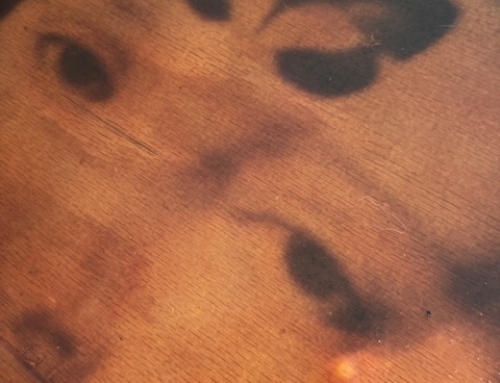
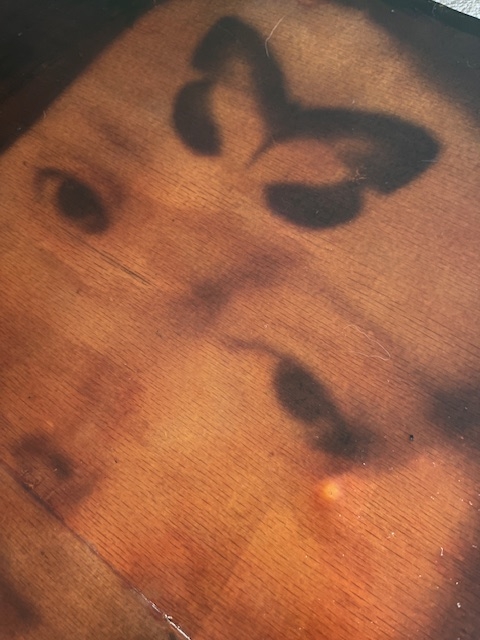
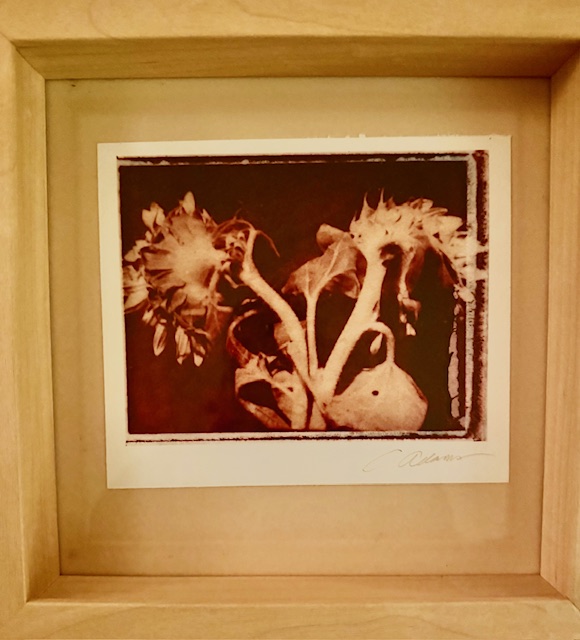
I gathered this framed image from Corinne’s art sale last week and gave it to a best friend during her birthday season. “Double Sunflower” is the name of the photograph. So I googled my question, “What does ‘double sunflower’ mean?”
Here is what I learned and discussed with my friend.
- Double sunflower symbolism—often called the “Sunflower Theory”—centers on companionship, mutual support, and being each other’s source of light through both bright and difficult days.
- The metaphor draws on sunflowers following the sun during the day and turning toward each other at night, symbolizing two people providing warmth and support when external light fades. …facing each other in the dark represents staying present when outside distractions or hard times hit.
- Two blooms can represent two individuals growing together while staying anchored to positivity and care.

I also gifted her a copy of Waking Up to This Day by Paula D’Arcy. My friend is facing a very stretching, uncertain season in life, so I read to her aloud, blessing her with encouraging wisdom from page 86.
Those who excel are the ones who don’t quit. They outlast the difficulty. They put one foot in front of the other, even if the meaning of things is not apparent. Sometimes detours require substantial staying power. Something of great value may be working itself out, but that value may not be immediately obvious or even logical. Still, life is the step we take in the moment. Eckhart Tolle teaches, “There is always only this one step, and so you give it your full attention.” What appears to be a detour may be vital in the long run… The path contains what you need. A French proverb offers the sentiment, “You often meet your destiny on the road you take to avoid it.”
Like two sunflowers surrounded by the darkness of not knowing, we turned toward each other and felt deeply connected.
Two are better than one because they have a good return for their hard work. If either should fall, one can pick up the other. But how miserable are those who fall and don’t have a companion to help them up! (Ecclesiastes 4:9-10, CEB).
…Sue…
P.S. God turned up the volume on this week’s surround sound. Two days later, in our therapeutic community group downtown, the therapist brought sunflower bookmarks and taught us about how sunflowers turn toward each other in the dark of the night. Together we unpacked her question. “Who might you turn toward in the middle of the night if you needed help and support?”